Webwizardsagency – When stress strikes, your breathing often becomes rapid and shallow, a natural reaction driven by the sympathetic nervous system—the part of your body responsible for the “fight-or-flight” response. Unlike many other physiological processes, however, breathing is unique because it operates on two levels: it is both automatic and consciously controllable.
This dual nature means you can influence your body’s stress response simply by altering the rhythm and depth of your breath. By practicing intentional breathing, you can help regulate heart rate, lower blood pressure, reduce levels of stress hormones like cortisol, and restore a sense of calm. Breathwork is therefore one of the most accessible and cost-free tools for emotional regulation and mental clarity.
Breathwork for Stress: Techniques You Can Do Anywhere, Anytime
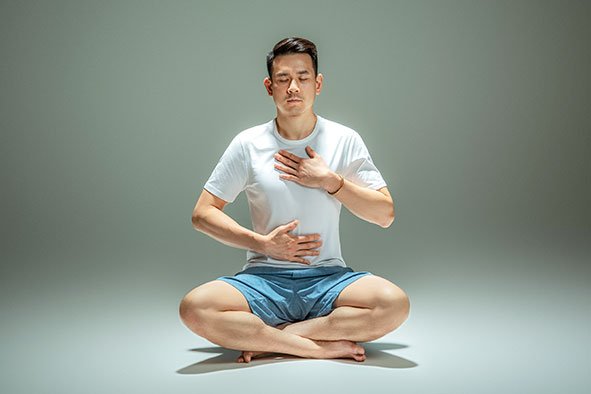
The beauty of breathwork for stress lies in its simplicity. You don’t need expensive equipment, a special space, or even a large time commitment. Here are several techniques that can be practiced in just a few minutes, making them perfect for use at work, home, or even in transit.
- Box breathing (also called four-square breathing). This structured pattern involves inhaling for four counts, holding the breath for four counts, exhaling for four, and holding again for four. Repeat the cycle for one to three minutes. Originally popularized by Navy SEALs and other high-stress professionals, box breathing is effective because it stabilizes heart rate variability, signaling the nervous system to shift from a stress state toward relaxation. It’s particularly useful before challenging meetings, presentations, or any situation where you want to maintain composure and clarity.
- Extended exhale breathing. For this method, inhale slowly through the nose for a count of four, then exhale through the mouth for a count of six or even eight. Extending the exhale stimulates the vagus nerve, a critical component of the parasympathetic nervous system, which promotes calm and helps reduce anxiety. This technique is highly effective for winding down before sleep, calming racing thoughts after a stressful event, or simply resetting your nervous system during a hectic day.
- Alternate nostril breathing (nadi shodhana). This technique is rooted in yoga and involves using your thumb and ring finger to close one nostril while inhaling through the other, then switching sides for the exhale. Alternate nostril breathing is known to balance activity between the two hemispheres of the brain, reduce stress, and improve mental focus. Practicing this for just a few minutes can leave you feeling centered and alert without the need for lengthy meditation sessions.
Even brief sessions of intentional breathing can make a meaningful difference. Studies show that just one to two minutes of focused breathwork can reduce heart rate and promote a sense of calm. However, the most powerful results come from regular practice. Practicing these techniques while you’re already calm helps train your nervous system so that you can access these calming effects automatically when stress arises.
Beyond the techniques themselves, there are a few practical tips to make breathwork a sustainable habit:
- Set reminders: A phone alarm or smartwatch notification can prompt you to practice a short breathing session several times a day.
- Create cues: Pair breathwork with existing routines, like taking a few deep breaths before your morning coffee or during your commute.
- Track progress: Notice how even brief sessions improve your focus, mood, or ability to respond calmly to challenges.
Incorporating breathwork into your daily routine equips you with a portable, scientifically backed tool to manage stress, improve mental clarity, and build resilience. Over time, this practice not only helps in moments of acute tension but also enhances overall emotional regulation and well-being. Whether you have one minute or ten, intentional breathing can transform how you respond to life’s challenges.